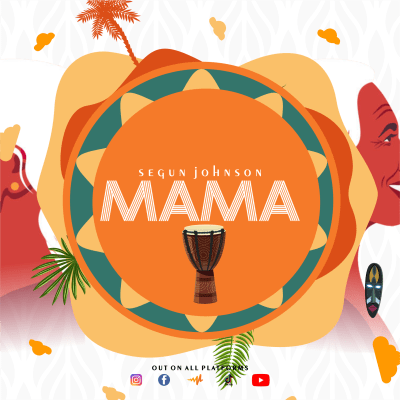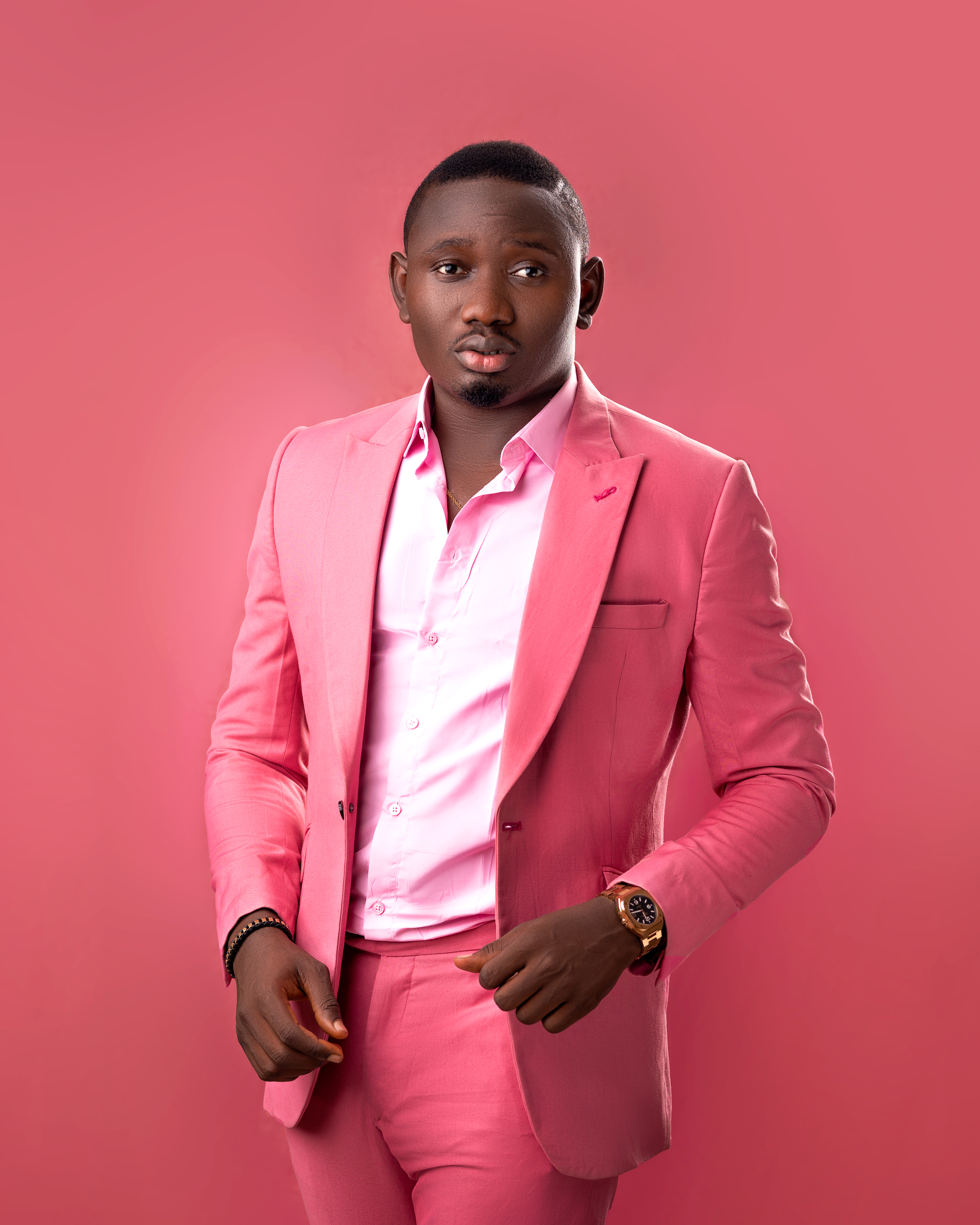
Music began for Segun Johnson at a tender age as a local drummer in the church. His musical journey evolved as he transitioned into singing at 24 and launched his professional career as a crossover live band artist at 25.
International Sensation: Segun has sold out venues across continents, including London's Broadway Theatre, Cargo Coventry (UK), Terra Kulture Arena (Lagos), and The Opera House (Toronto) - just a few among his many sold-out shows worldwide. kuda sex dengan wanita
The connection between horses ( ) and women ( ) in the context of relationships and romantic storylines is a rich tapestry of cultural symbolism, emotional bonding, and modern tropes. Depending on the setting, this relationship can represent everything from deep spiritual strength to the "Horse Girl" archetype often found in contemporary media. 1. Cultural and Symbolic Significance
Nova, too, seemed to reciprocate her feelings. He'd nuzzle her gently, his eyes filled with a warmth that Lena had only ever seen in human eyes. Their bond grew stronger with each passing day, a bond that transcended words.
Note: This article explores mythological, fictional, and folkloric themes. It does not endorse or describe real-world acts of bestiality, which are universally condemned by law and morality.
These storylines are wildly popular because they allow women to explore themes of dominance, submission, and trust without the social complexities of a human male partner.
Conversely, in genres like historical romance or fantasy, a woman riding a horse astride (rather than sidesaddle) or taming a stallion that others could not handle is a visual shorthand for a woman who defies societal norms. This attracts a specific type of romantic hero—one who is confident enough to match her spirit rather than tame it.
The man who builds/provides for the woman (e.g., Ki Santang). Stability and patriarchal protection. The Formal Couple
The connection between horses ( ) and women ( ) in the context of relationships and romantic storylines is a rich tapestry of cultural symbolism, emotional bonding, and modern tropes. Depending on the setting, this relationship can represent everything from deep spiritual strength to the "Horse Girl" archetype often found in contemporary media. 1. Cultural and Symbolic Significance
Nova, too, seemed to reciprocate her feelings. He'd nuzzle her gently, his eyes filled with a warmth that Lena had only ever seen in human eyes. Their bond grew stronger with each passing day, a bond that transcended words.
Note: This article explores mythological, fictional, and folkloric themes. It does not endorse or describe real-world acts of bestiality, which are universally condemned by law and morality.
These storylines are wildly popular because they allow women to explore themes of dominance, submission, and trust without the social complexities of a human male partner.
Conversely, in genres like historical romance or fantasy, a woman riding a horse astride (rather than sidesaddle) or taming a stallion that others could not handle is a visual shorthand for a woman who defies societal norms. This attracts a specific type of romantic hero—one who is confident enough to match her spirit rather than tame it.
The man who builds/provides for the woman (e.g., Ki Santang). Stability and patriarchal protection. The Formal Couple