Sign up to receive all the latest news and special offers


AI-Enhanced Data Platform for Business Growth & Retention


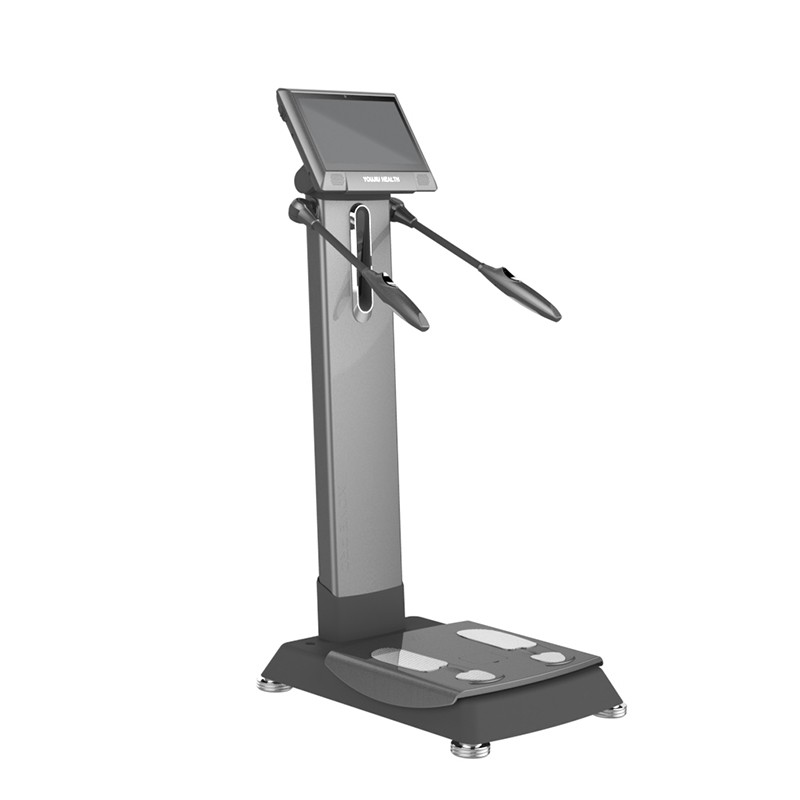
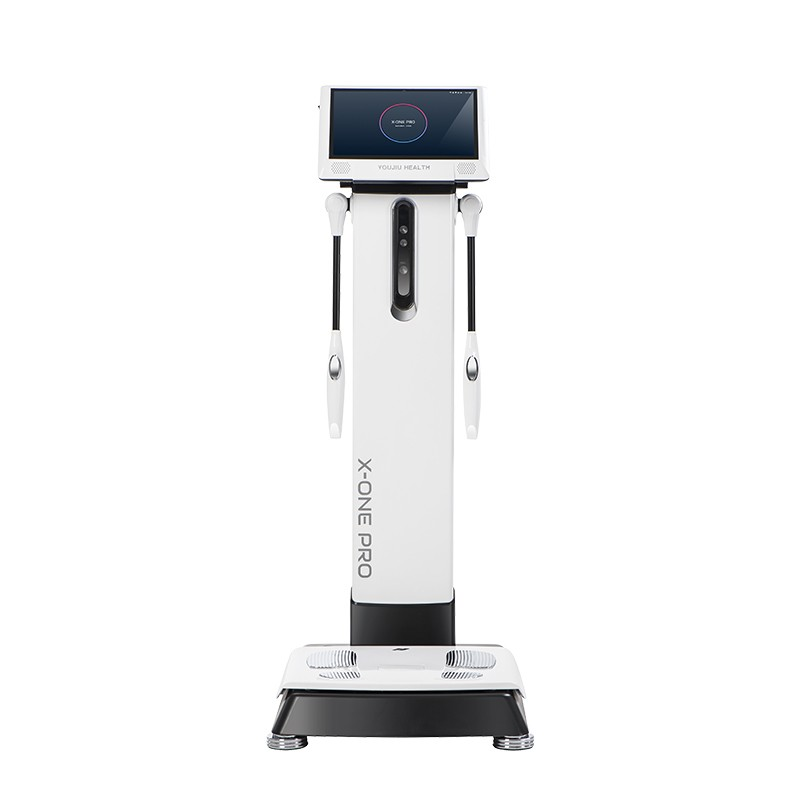
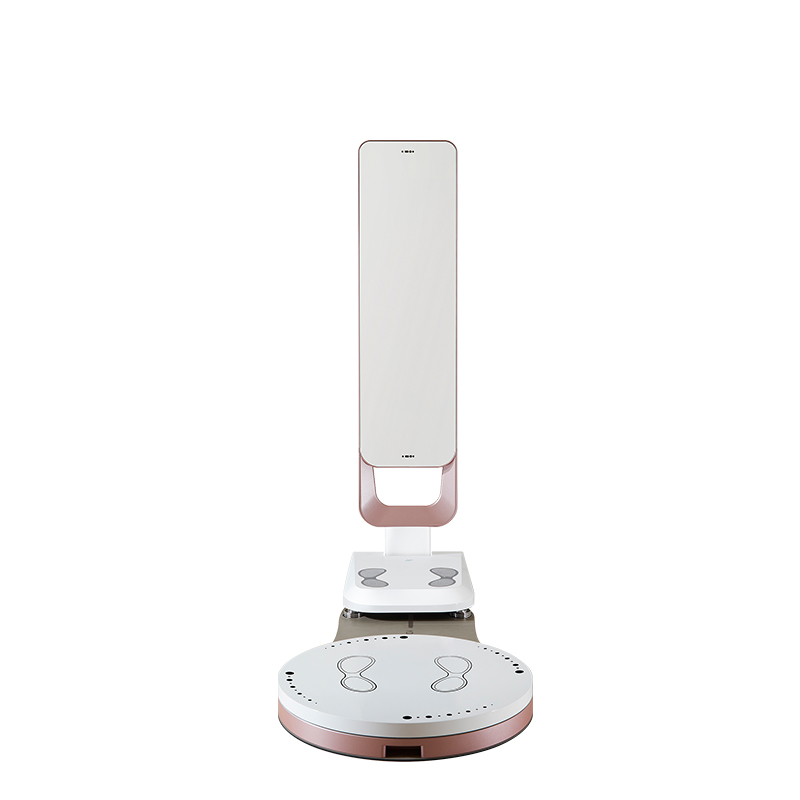
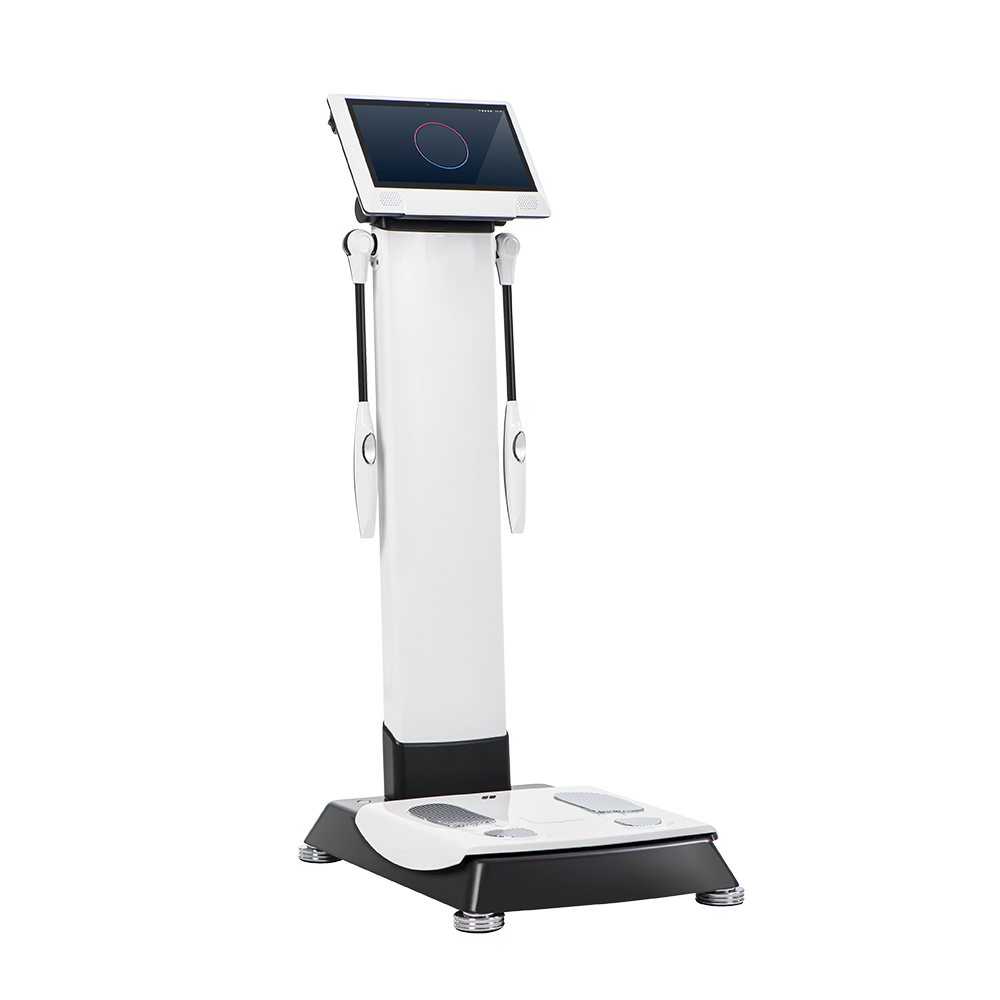
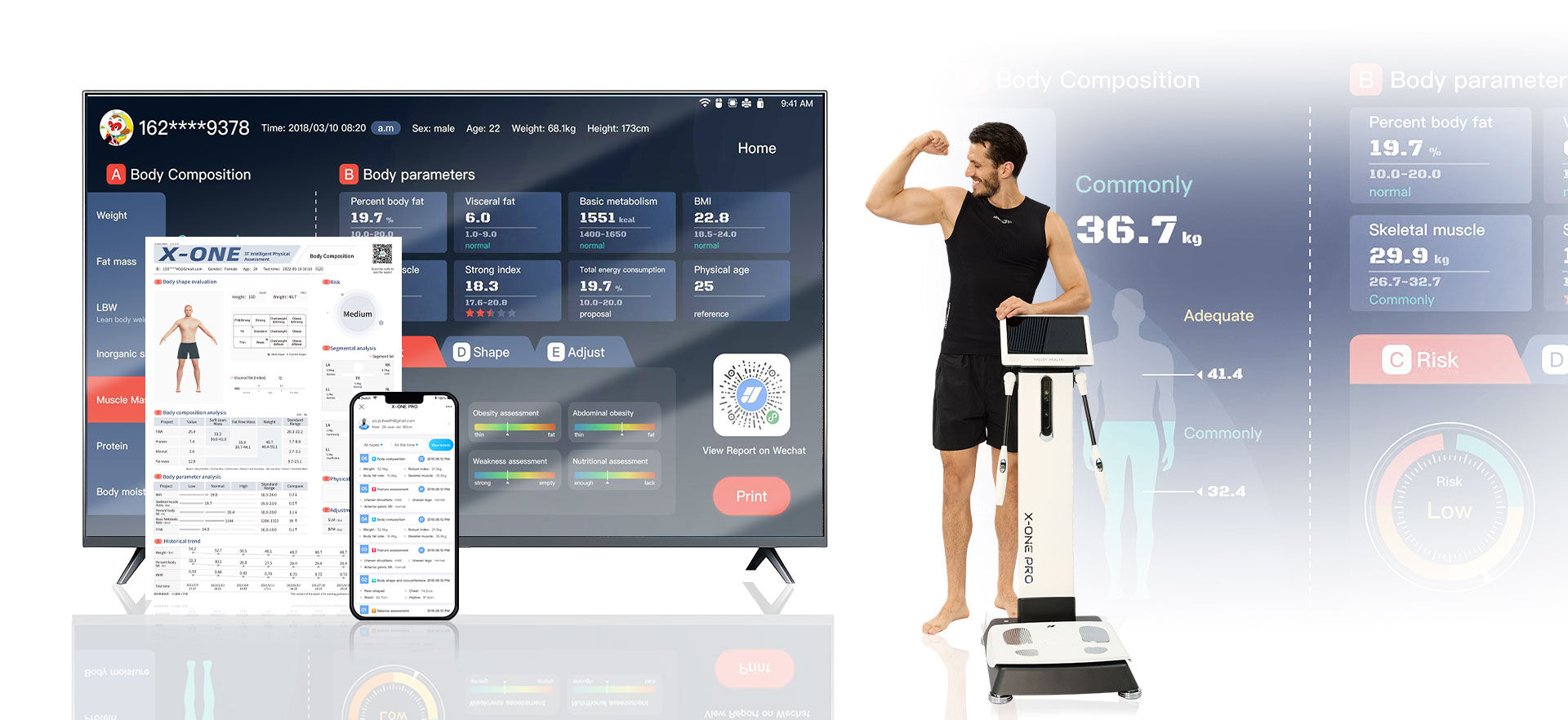
Deliver individualized body composition analysis—free from demographic assumptions—for precise, tailored results on every patient’s health journey.

Use detailed body composition metrics and progress tracking to develop evidence-based care plans and showcase tangible results.

Benefit from HIPAA-compliant cloud storage and advanced encryption, keeping patient data safe while allowing secure access from anywhere.

Access, analyze, and share patient information securely from any location with LookInBody Web—featuring advanced analytics and customizable reporting.





















































































The rise of affordable home security camera systems has fundamentally changed the concept of neighborhood safety. While these devices offer homeowners peace of mind and a powerful tool for crime deterrence, they simultaneously create a complex web of privacy dilemmas. The tension between personal security and the right to privacy has become a defining issue of the digital age, as the boundary between a private residence and the public eye continues to blur.
Today’s systems are cloud-based and AI-driven. They use facial recognition to tell the difference between a family member and a stranger, infrared sensors to see in total darkness, and high-gain microphones to capture whispers. While these features make us safer, they also mean our most private moments—conversations in the kitchen, routines in the hallway—are being digitized, uploaded to servers, and processed by algorithms. The Risks: Data Breaches and "The Eye in the Cloud" my shy girlfriend has wild sex on hidden cam h
However, the technology has outgrown the law. Modern cameras don't just capture "a person at the door." They capture facial micro-expressions, license plate numbers, daily routines, and audio conversations from 50 feet away. They can distinguish between a dog and a wolf, but they cannot distinguish between a shy neighbor and a dangerous prowler without human (or AI) judgment. The rise of affordable home security camera systems
, they introduce significant risks if not managed correctly. fullcircuitfiresecurity.co.uk Core Privacy Risks Hacking and Unauthorized Access Today’s systems are cloud-based and AI-driven
Choose Local Storage Over Cloud: If privacy is your top priority, look for systems that support NVR (Network Video Recorder) or SD card storage. This keeps your footage on your own hardware, off the internet entirely.
Position cameras so they point inward at your property.
However, this increased security often comes at the cost of collective privacy. The primary ethical and legal concern involves the "reasonable expectation of privacy." As noted by LegalShield , while it is legal to record one's own property, cameras that peer into a neighbor’s backyard or window may cross a legal line. The pervasive nature of these devices means that individuals can be recorded simply by walking down a sidewalk or entering their own driveways. This constant state of surveillance can lead to a "chilling effect," where people feel uncomfortable or restricted in their own neighborhoods.