To create a feature looking into a PyArmor unpacker or update (UPD), you should focus on dynamic analysis memory dumping
To understand the unpacker, one must first understand the lock it picks. PyArmor does not simply "scramble" code; it transforms Python bytecode into an encrypted state and injects a specialized runtime library (the "extension module"). When a protected script runs, PyArmor intercepts the Python interpreter's execution flow, decrypting bytecode in memory only when needed and re-encrypting it immediately after. This "Just-In-Time" decryption ensures that the full source code is never present in a readable format on the physical disk. How the UPD Functions
Memory Dumping: Using tools to extract the string_code or bytecode after the pytransform module has handled the initial decryption.
PyArmor Unpacker UPD specifically refers to an updated version of these extraction scripts. The "UPD" in the keyword indicates a release that attempts to bypass the protections introduced in newer PyArmor versions (v6.x, v7.x, or v8.x).
Advanced PyArmor modes use JIT integrity checks and hardware breakpoints. You can use plugins like ScyllaHide
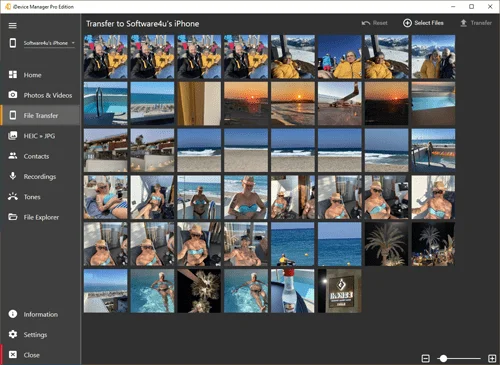
Transfer iPhone photos & videos to PC – easily, quickly, and without iTunes (Windows 10/11)

Transfer photos and videos from your PC to your iPhone – easily and securely
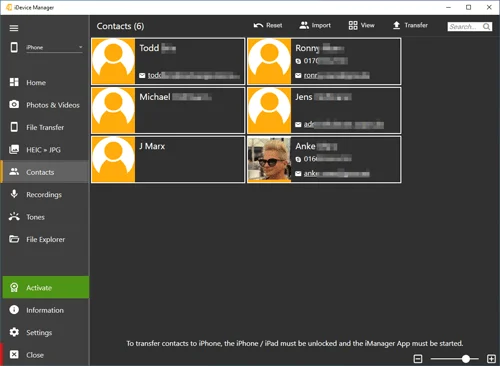
Synchronize Outlook contacts with iPhone – without iCloud or Exchange
Sync Windows 10/11 contacts with iPhone – automatically & locally
Transfer Google contacts to iPhone – easily import Gmail contacts
Import vCard (.vcf) contacts into your iPhone address book – compatible & fast
To create a feature looking into a PyArmor unpacker or update (UPD), you should focus on dynamic analysis memory dumping
To understand the unpacker, one must first understand the lock it picks. PyArmor does not simply "scramble" code; it transforms Python bytecode into an encrypted state and injects a specialized runtime library (the "extension module"). When a protected script runs, PyArmor intercepts the Python interpreter's execution flow, decrypting bytecode in memory only when needed and re-encrypting it immediately after. This "Just-In-Time" decryption ensures that the full source code is never present in a readable format on the physical disk. How the UPD Functions
Memory Dumping: Using tools to extract the string_code or bytecode after the pytransform module has handled the initial decryption.
PyArmor Unpacker UPD specifically refers to an updated version of these extraction scripts. The "UPD" in the keyword indicates a release that attempts to bypass the protections introduced in newer PyArmor versions (v6.x, v7.x, or v8.x).
Advanced PyArmor modes use JIT integrity checks and hardware breakpoints. You can use plugins like ScyllaHide