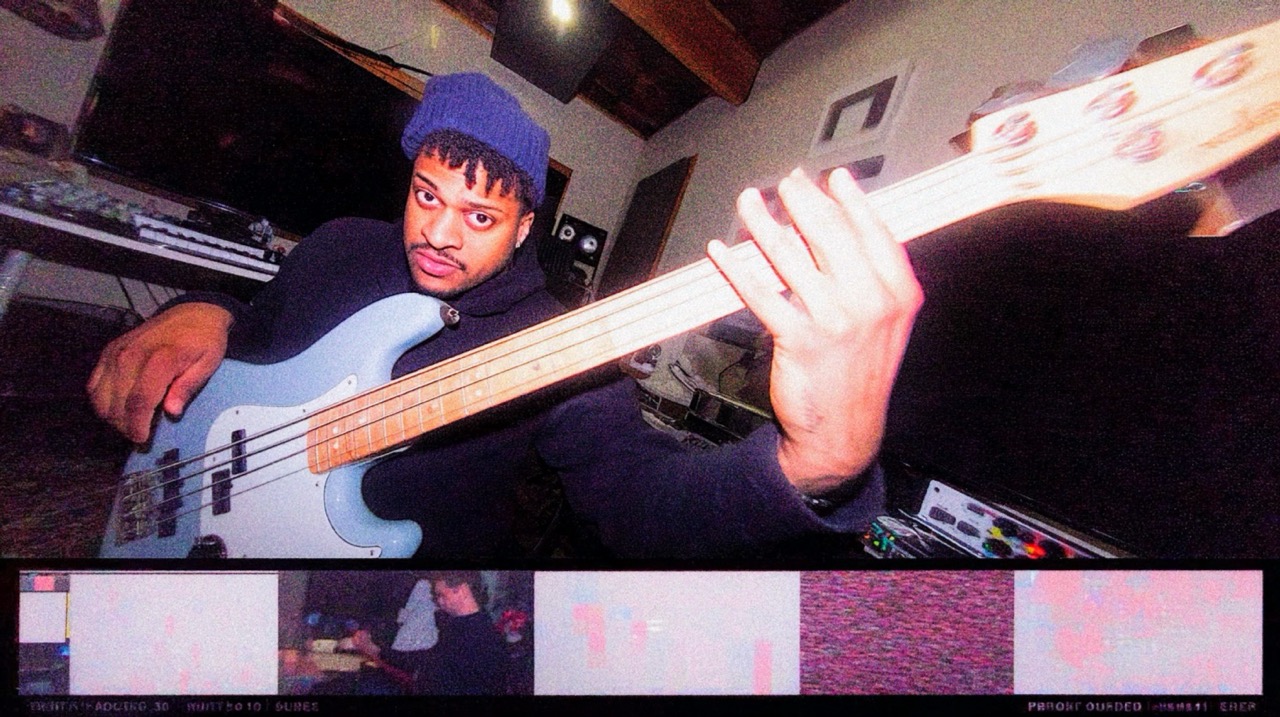
Staring At Strangers
The Psychology and Social Implications of Staring at Strangers: A Deep Dive
- "Staring at strangers can be a sign of underlying psychological issues, such as social anxiety or loneliness. It's essential to address these issues and develop healthier coping mechanisms." - Dr. Jane Smith, psychologist
- "Cultural norms and expectations surrounding eye contact and staring vary significantly. It's crucial to be aware of these differences to avoid unintentionally making others feel uncomfortable." - Dr. John Doe, anthropologist
In a world where technology often mediates our interactions, staring at strangers can be a refreshing way to engage with the people around us. By simply observing others, we may begin to appreciate the diversity, complexity, and beauty of human experience. Staring at Strangers
The Loneliness of the Long-Distance Stare
In a hyper-connected digital world, staring at strangers has become a paradox. We see thousands of faces on Instagram and TikTok every day, but we rarely look them in the eye. The rise of smartphones has created a "civil inattention" bubble. In an elevator, we look at our shoes or the floor number. In a waiting room, we bury our faces in doom-scrolling. The Psychology and Social Implications of Staring at
On the train, I stare at strangers as if they are paintings in a gallery without plaques. The woman across from me folds a letter into a smaller and smaller square — each crease a decision, each tuck a little secret. I wonder who she’s erasing or preserving. Beside her, a man sleeps with his mouth open, his head nodding to the rhythm of the tracks. He looks like someone’s father, exhausted from a love that requires labor. "Staring at strangers can be a sign of