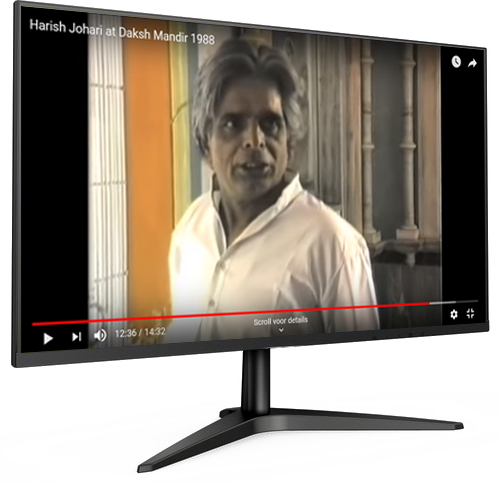
To spread the original, universal and eternal truth, path or law of yoga, which remains forever the same in essence, yet always adapts to the time and place.
The ToolWipeLocker V300 has emerged as a critical solution for organizations looking to bridge the gap between high-security data destruction and streamlined hardware management. As data privacy regulations become more stringent, the V300 provides a centralized, automated platform for wiping sensitive information from retired or redeployed assets.
Intelligent access control: Biometric identification or cryptographic badges ensure only authorized users can retrieve specific tools. But this isn’t just security for theft prevention; it’s about responsibility—who used the tool, when, and for how long.
Usage telemetry: Every removal and return is recorded alongside simple usage metrics (time out, approximate torque cycles, battery cycles). That creates a living record that helps predict wear, schedule servicing, and allocate costs fairly across teams.
Automated sanitation: Tools pass through a brief wipe/UV cycle when returned—less flashy than a hospital sterilizer but tuned to the practical needs of hand tools and delicate electronics. In post-pandemic workplaces, that small hygiene loop builds worker confidence.
Condition-aware storage: The V300 senses battery state, humidity exposure, and physical shocks. Tools at risk get flagged for inspection; consumables get reordered automatically. The locker becomes more than storage—it becomes a proactive caretaker.
Shared responsibility culture: When every use is visible and maintenance is automated, accountability shifts from after-the-fact blame to proactive stewardship. Teams can reward careful use and design better onboarding for fragile gear.
Rethinking ownership: Organizations might move from purchasing duplicate gear to shared high-quality sets. The locker optimizes utilization, which can lower capital expense and reduce the environmental footprint.
Labor dynamics: For craft workers, the V300 can feel either liberating—or intrusive. Data on tool handling could be used to support training and safety, or it could be weaponized in performance evaluations. The boundary between helpful telemetry and surveillance is thin.
Supply-chain and maintenance economics: Predictive replacement reduces downtime. Vendors might offer “locker-as-a-service” models: hardware plus managed lubrication, battery swaps, and firmware updates tied to subscription contracts.